Gourmet Vegetable Charcuterie Board
Highlighted under: Festive Feast Kitchen
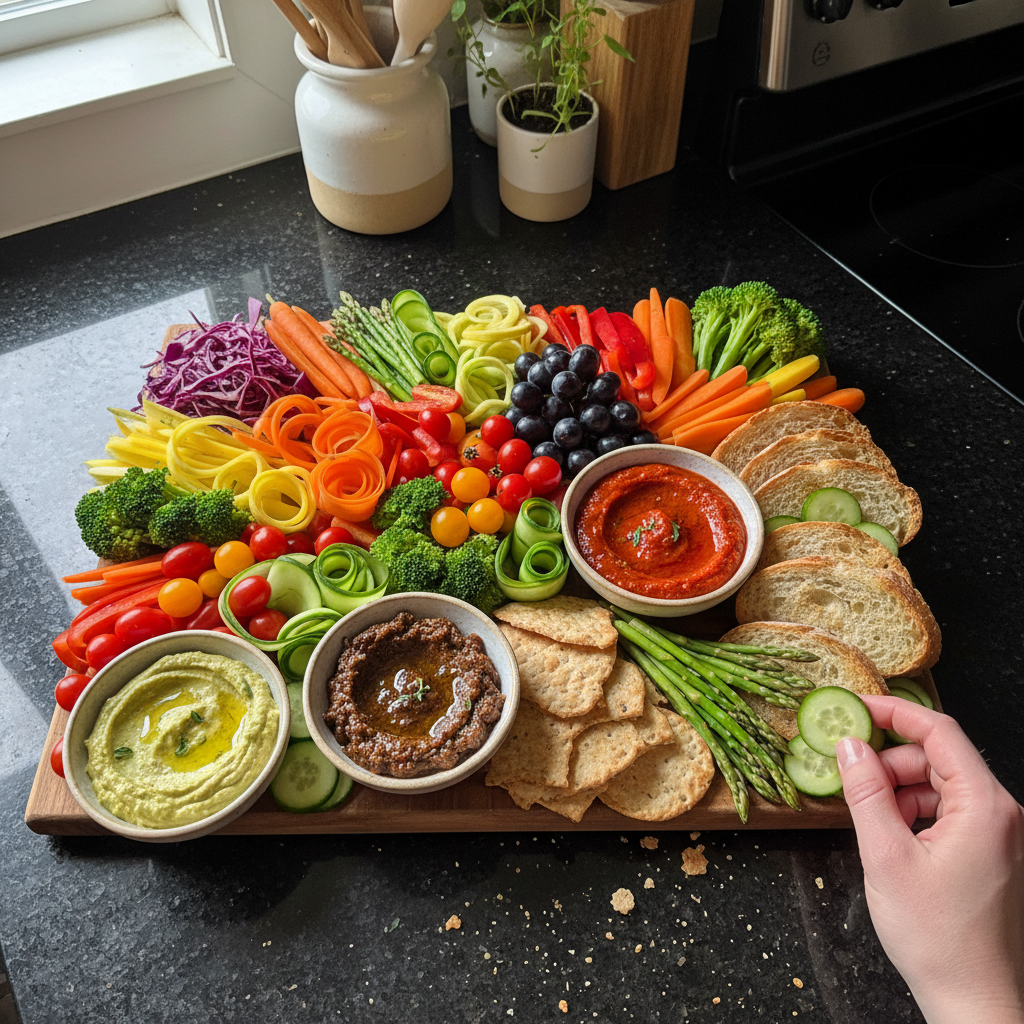
I absolutely love creating a gourmet vegetable charcuterie board for gatherings or quiet evenings at home. The vibrant colors and diverse textures intrigue everyone, inviting them to explore the fresh ingredients. Crafting this board is both an art and an experience that enhances any occasion, and it’s a fantastic way to showcase seasonal produce. Plus, it’s incredibly satisfying to see people's faces light up as they sample the different dips and veggies. Believe me, this is a delightful centerpiece that will elevate your entertaining game!
When I first dived into creating gourmet vegetable boards, I was apprehensive about how to arrange them to look inviting and appetizing. I experimented with various veggies and dips, discovering that the key to a beautiful board is vibrant colors and an assortment of textures. I also learned that adding fresh herbs not only enhances flavor but adds visual appeal!
One of my favorite tips is to include a variety of dips, such as hummus, tzatziki, or a creamy avocado spread. This not only elevates the taste but also offers guests delightful choices. Watching everyone mix and match their favorites is part of the fun that makes this experience memorable!
Why You'll Love This Recipe
- A feast for the eyes with colors and textures that captivate.
- Customizable to suit any dietary preference.
- Perfect for sharing, making every gathering feel special.
Choosing the Best Vegetables
The selection of vegetables can make or break your charcuterie board. When choosing vegetables, focus on freshness and variety. Seasonal produce not only brings the best flavor but also enhances the visual appeal. Look for vibrant colors and sturdy textures—crunchy vegetables like carrots and bell peppers offer a delightful contrast to softer ones like cucumbers and cherry tomatoes. For a visually stunning board, include a mix of long, short, round, and floreted shapes, which will draw guests in with their diverse forms.
Consider the season when selecting your vegetables for the board. Spring brings peas and asparagus, while summer might offer zucchini and radishes. In fall, you could incorporate roasted beets for a sweeter, earthier note. To maintain freshness, cut the vegetables just before serving or keep them in a bowl of cold water until you’re ready to assemble. If you’re short on time, pre-cut vegetables from the grocery store are an acceptable substitute, just check for freshness and avoid any wilted or dried-out options.
Enhancing Flavors with Dips
The dips you choose can elevate the flavors of your vegetable board significantly. Hummus provides a creamy, protein-rich contrast to the crunch of the veggies, while tzatziki adds a refreshing touch thanks to its cucumber and yogurt base. Guacamole not only offers a rich, buttery flavor but also packs in healthy fats, making it a crowd favorite. Consider experimenting with flavored versions of these dips—like spicy hummus or herbed tzatziki—to introduce new taste dimensions. You might even try making your own dips from scratch to add a personal touch!
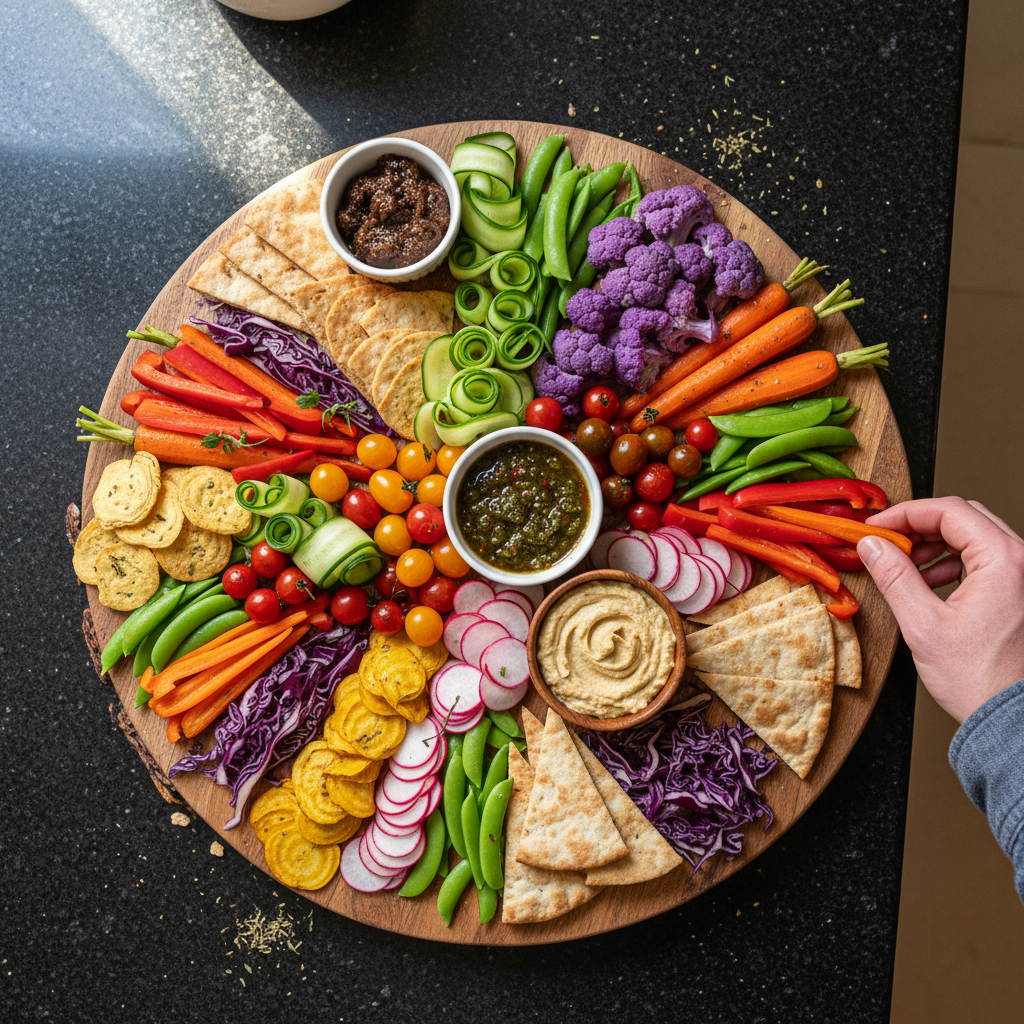
When serving the dips, small bowls or ramekins work best; they not only keep the dips contained but also allow for easy access without crowding the board. Don’t be afraid to get creative—using a marble slab or a wooden cutting board can add a rustic touch to your presentation. Arrange the dips in a circular pattern around the veggies for an eye-catching display. This approach not only looks beautiful but makes it easy for guests to access everything without reaching across the board.
Serving and Storage Tips
Presentation is key for a gourmet charcuterie board, so take a moment to arrange everything mindfully. Take a step back and assess balance; if it feels uneven, adjust the placement of the vegetables and dips until it looks visually appealing. Using varied heights can create interest—consider a small pedestal or riser for one of the dips. If you want to elevate flavor and presentation even more, adding a few edible flowers or microgreens can instill a gourmet flair and fresh colors.
For make-ahead options, prepare your vegetables early in the day, storing them in an airtight container in the refrigerator to maintain freshness. Dips can typically last 3-5 days when stored properly in the fridge. If you do have any leftovers, use them creatively; they can be incorporated into a salad or a wrap for lunch the next day. Additionally, consider sharing your charcuterie board ideas on social media—people love to see colorful, vibrant displays that inspire their own entertaining!
Ingredients
Gather your fresh ingredients and prepare to assemble a stunning vegetable charcuterie board!
Vegetables and Dips
- Carrot sticks
- Celery sticks
- Cucumber slices
- Cherry tomatoes
- Radishes
- Bell pepper strips
- Broccoli florets
- Cauliflower florets
- Hummus
- Tzatziki
- Guacamole
- Olive oil
- Fresh herbs (parsley, dill)
Feel free to mix and match the vegetables and dips based on your preferences and what’s in season!
Instructions
Follow these simple steps to create your gourmet vegetable charcuterie board.
Prepare the Vegetables
Wash and cut all the vegetables into bite-sized pieces. Arrange them strategically on the board, grouping similar colors for a beautiful display.
Add Dips
Spoon the dips into small bowls and place them around the veggies, ensuring easy access for everyone.
Garnish with Herbs
Add fresh herbs between the veggies and dips for an aromatic touch. Not only do they make it look gorgeous, but they also enhance the flavors!
Your gourmet vegetable charcuterie board is now ready to impress your guests!
Pro Tips
- Experiment with different vegetables and dips based on the season and your preferences. Don’t hesitate to add nuts or cheeses for an even more dynamic flavor palette!
Ingredient Substitutions
If you need to adjust your vegetable selection due to allergies or personal preferences, don't hesitate to swap out items. For example, if you or your guests dislike cucumbers, you can substitute them with zucchini or jicama for a similar crunch. Radishes could be replaced with sliced turnips or even carrots in different colors for visual variety. Similarly, if you’re looking for dip options that are vegan or gluten-free, consider bean-based dips or avocado spreads which pack lots of flavors and nutrients.
For a lower-carb option, you could also make spiralized veggie noodles using zucchini or carrots, serving them alongside your dips for a fun, playful twist. The versatility of this charcuterie board means you can easily accommodate diverse dietary needs, so always check in with your guests ahead of time. Offering substitutes like nut-based dips for people who may have dairy sensitivities can help ensure your board is enjoyed by all.
Scaling Your Board
When planning a charcuterie board for larger gatherings, consider how many guests you'll be serving. A general guideline is to allow approximately 4-5 ounces of vegetables per person, which can help you gauge how much to prepare. For a larger crowd, consider multiple boards; this not only simplifies serving but also allows for varying themes—for instance, one board might feature Mediterranean dips and grilled vegetables, while another emphasizes fresh, crisp raw options.
If you’re short on space, try utilizing tiered serving trays to maximize visual impact and surface area. Not only does this allow more food to be displayed, but it also creates an interesting layout that encourages guests to explore different levels of flavors. To maintain freshness, it’s best to keep any pre-cut vegetables in water and chilled until serving time, ensuring they stay crisp throughout your event.
Questions About Recipes
→ Can I prepare the board in advance?
Yes, you can prepare all the veggies and dips a few hours in advance. Just keep the board covered in the refrigerator until you're ready to serve.
→ What is the best way to store leftovers?
Any leftover vegetables can be stored in an airtight container in the refrigerator for up to 3 days. The dips will generally last longer.
→ Can I use frozen vegetables?
While fresh vegetables yield the best flavors and textures, you can use thawed frozen vegetables if needed, but make sure to drain any excess water.
→ How do I choose the best vegetables?
Look for seasonal and local vegetables as they are usually fresher and have better flavor. Choose a variety of colors and textures to enhance the overall appeal.
Gourmet Vegetable Charcuterie Board
Created by: The Bitehut Team
Recipe Type: Festive Feast Kitchen
Skill Level: Beginner
Final Quantity: Serves 6-8
What You'll Need
Vegetables and Dips
- Carrot sticks
- Celery sticks
- Cucumber slices
- Cherry tomatoes
- Radishes
- Bell pepper strips
- Broccoli florets
- Cauliflower florets
- Hummus
- Tzatziki
- Guacamole
- Olive oil
- Fresh herbs (parsley, dill)
How-To Steps
Wash and cut all the vegetables into bite-sized pieces. Arrange them strategically on the board, grouping similar colors for a beautiful display.
Spoon the dips into small bowls and place them around the veggies, ensuring easy access for everyone.
Add fresh herbs between the veggies and dips for an aromatic touch. Not only do they make it look gorgeous, but they also enhance the flavors!
Extra Tips
- Experiment with different vegetables and dips based on the season and your preferences. Don’t hesitate to add nuts or cheeses for an even more dynamic flavor palette!
Nutritional Breakdown (Per Serving)
- Calories: 250 kcal
- Total Fat: 10g
- Saturated Fat: 1g
- Cholesterol: 0mg
- Sodium: 20mg
- Total Carbohydrates: 38g
- Dietary Fiber: 8g
- Sugars: 5g
- Protein: 6g